Market Opportunity

Malaysia's Transformation: Five Forces Reshaping Hospitality

01

Rail Integration Reshapes Accessibility

02

Data Center FDI Creates Corporate Bed Base

03

 Muslim Tourism Dominance

04

Chinese Outbound Recovery

05

VMY 2026 Sets a New Baseline

The challenge: precise selection.
Not all states benefit equally. Our 13-state database allows us to match your mandate to assets positioned for this transformed landscape.

1. Rail Integration Reshapes Accessibility

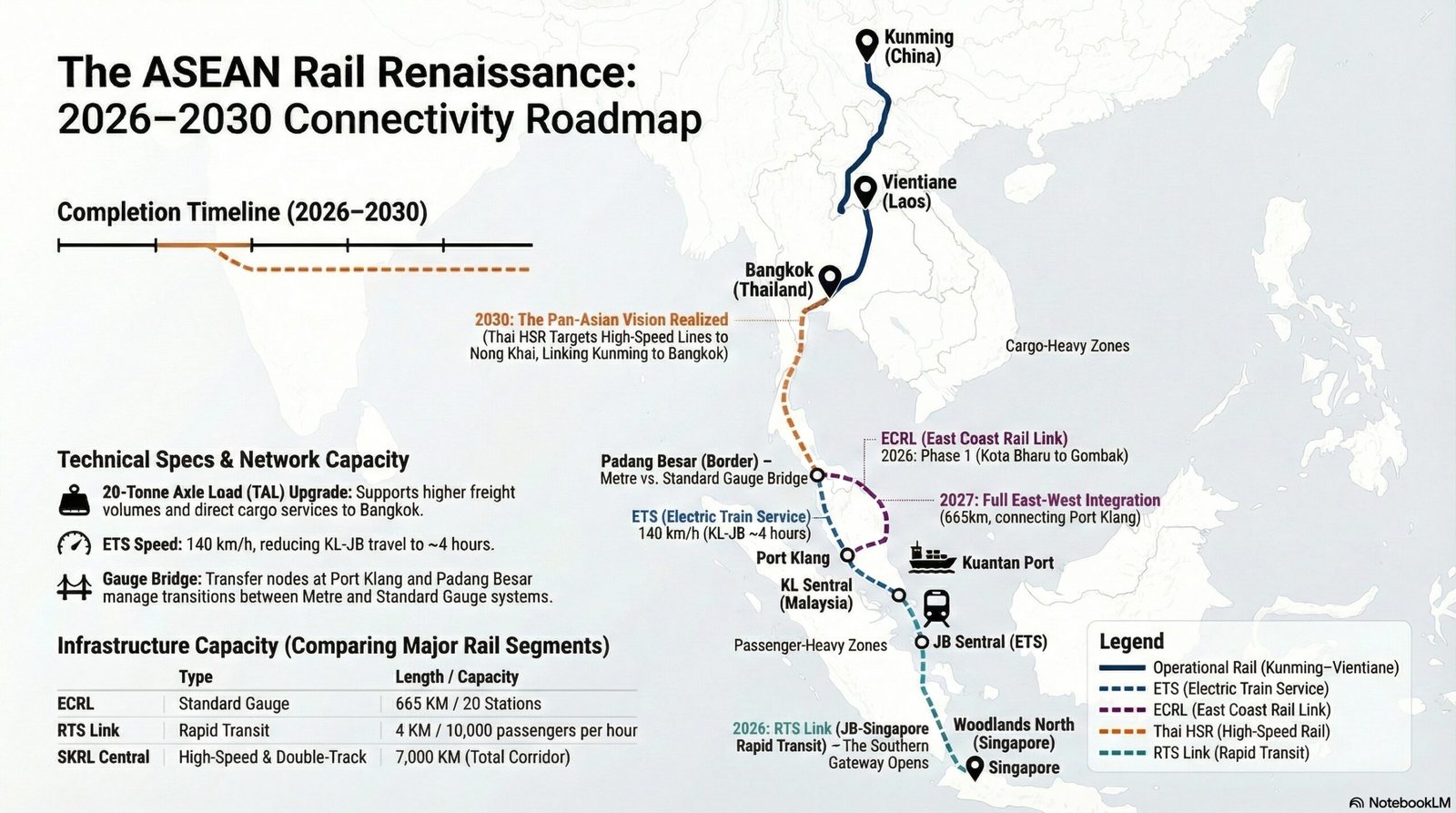
The RTS Link (2026) will move 10,000 passengers per hour in each direction—creating permanent occupancy uplift for properties near stations. The ECRL (2027) connects the east coast to Port Klang, opening new markets. The Pan Borneo Highway is doing the same for Sabah and Sarawak. The broader Pan-Asian Railway vision positions Malaysia as the connective tissue between China, Thailand, and Singapore.

Infrastructure & Corporate Demand

RTS Link (2026): 10,000 passengers/hour each direction
ECRL (2027): 665km east–west connectivity
Pan Borneo Highway: opening Sabah & Sarawak markets
Data centers: RM144B FDI → 365-day corporate demand

Historical precedent: Hong Kong–Shenzhen integration delivered 15–25% sustained occupancy premiums.

2. Data Center FDI Creates Corporate Bed Base

RM144 billion in data center approvals (2021-2025) means people: engineers, technicians, executives requiring regular on-site presence. Johor alone has added 15,000+ such positions—365-day corporate demand that insulates hotels from leisure volatility.

3. Muslim Tourism Dominance

Malaysia has ranked #1 in the Global Muslim Travel Index for nine consecutive years. This reflects deep infrastructure: Islamic finance, halal supply chains, family-friendly facilities. The Muslim travel segment is the world’s fastest-growing tourism demographic.

Demand Drivers

#1 GMTI ranking: halal supply chains, family-friendly facilities
Fastest-growing tourism demographic globally
Chinese outbound recovery: new routes + visa facilitation
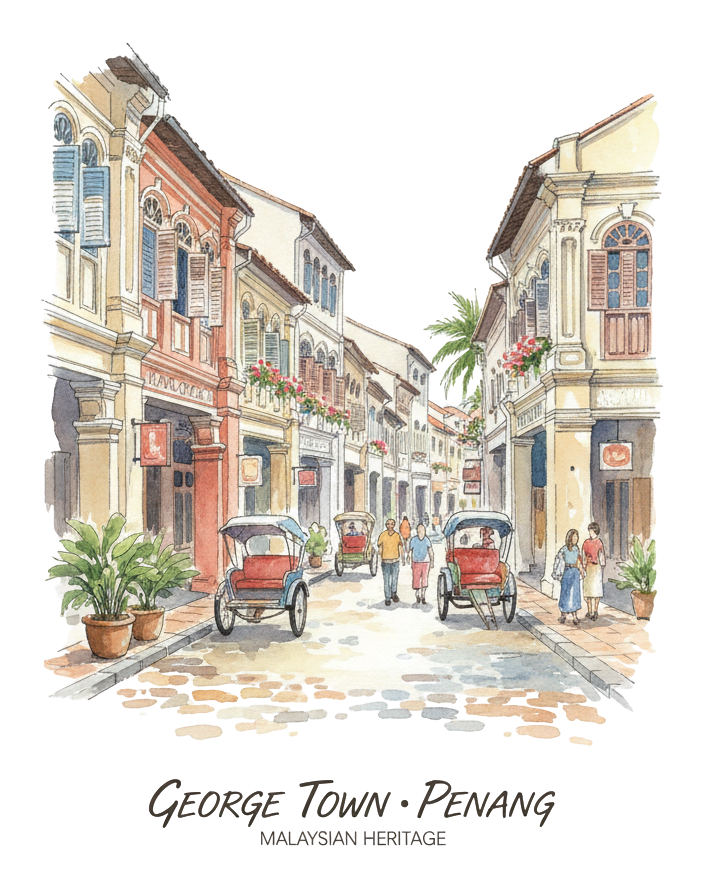
Xiaohongshu-driven trends reshaping Penang, KL, Sabah

Key Insight
The Muslim travel segment is the world’s fastest-growing tourism demographic, and Malaysia leads the index through deep infrastructure investment.

4. Chinese Outbound Recovery

Pre-pandemic, Chinese visitors approached 3 million annually. Recovery is underway with new flight routes, visa facilitation, and destination marketing. Xiaohongshu-driven travel trends are reshaping demand patterns in Penang, Kuala Lumpur, Sabah, and beyond.


5. VMY 2026 Sets a New Baseline

Visit Malaysia Year isn’t a one-off event. The 47 million visitor target establishes a new floor for annual arrivals. Infrastructure completed by 2026 ensures capacity to sustain those numbers. Post-2027, the question shifts to which assets capture the highest-yield segments.

The challenge: precise selection. Not all states benefit equally. Our 13-state database allows us to match your mandate to assets positioned for this transformed landscape.

The New Baseline

47 million visitor target with infrastructure to sustain it
Post-2027: competition shifts to high-yield segments
Tourist spending per arrival rising through 2024–2025

Longer stays + premium upgrades across key markets

Scroll to Top